

In the competitive landscape of search engine optimisation, the time required to establish a new website from scratch can be a significant barrier to entry. This is where the concept of an aged domain becomes incredibly valuable. Unlike a fresh domain that has no history, no backlinks, and no perceived authority, an aged domain comes with a pre-existing footprint that search engines already recognise. By entering a professional aged domains marketplace, digital entrepreneurs and SEO specialists can bypass the dreaded sandbox period and accelerate their path to the first page of search results.
The primary appeal of these assets lies in their historical data. When a domain has been active for several years, it has likely accumulated a variety of inbound links from reputable sources. These links act as votes of confidence in the eyes of search engines like Google. When you acquire a domain through a reputable aged domains marketplace, you are essentially inheriting the hard work and reputation built by the previous owner, allowing you to launch a project with a significant head start.
Understanding the Authority Advantage
Authority is not something that can be manufactured overnight. It is earned through consistent content delivery and the acquisition of high-quality backlinks over time. For a brand new site, this process can take months or even years of intensive outreach and content marketing. However, by utilising an aged domains marketplace, you can find domains that already possess a high Domain Authority (DA) or Domain Rating (DR). This existing authority provides a foundation that allows new content to rank much faster than it would on a brand-new registration.
Why Age Matters in the Eyes of Search Engines
While age itself is just one of many ranking factors, the age of a domain often correlates with stability and trustworthiness. Search engines are naturally cautious about new websites because they have no track record of providing value to users. An older domain that has been indexed for years is viewed as a more reliable entity. This perceived reliability means that search engine crawlers may visit the site more frequently, and new pages may be indexed and ranked with less resistance.
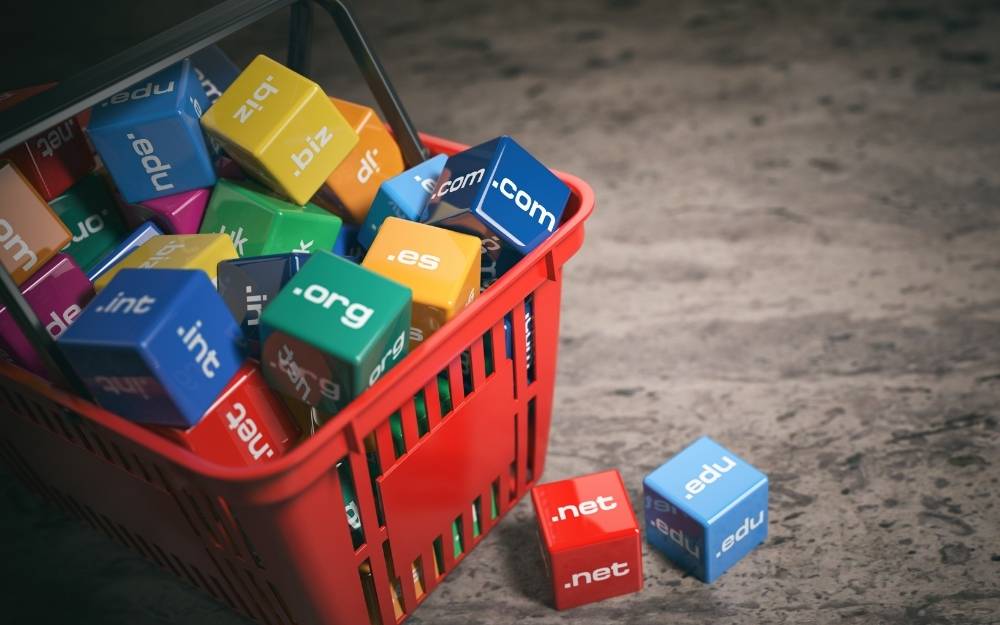
How to Navigate a Professional Aged Domains Marketplace
Not all domains are created equal, and navigating a marketplace requires a keen eye for detail and a structured approach to due diligence. A high-quality marketplace will provide you with the necessary data to make an informed decision, but you must know how to interpret that data. When you browse an aged domains marketplace, you should look for several key features that indicate a premium service:
- Transparency regarding the domain’s history and previous usage.
- Detailed backlink profiles including referring domains and anchor text distribution.
- Verification that the domain is not currently blacklisted or penalised by search engines.
- Clear categorisation by niche, industry, and authority metrics.
- Secure transfer processes to ensure the asset is moved to your registrar safely.
Essential Metrics for Evaluating Potential Purchases
When you are analysing options within an aged domains marketplace, it is vital to look beyond simple vanity metrics. While a high DA score is attractive, it does not tell the whole story. You must delve deeper into the technical health and history of the domain to ensure it aligns with your long-term goals. Consider the following metrics during your evaluation:
- Referring Domains: Look for a diverse range of unique domains linking to the site rather than thousands of links from just a few sources.
- Link Quality: Prioritise domains that have links from high-authority news sites, educational institutions (.edu), or government bodies (.gov).
- Anchor Text Diversity: Ensure the anchor text is natural and not over-optimised with spammy keywords.
- Wayback Machine History: Check the historical snapshots of the site to ensure it wasn’t previously used for low-quality PBNs or adult content.
- Traffic History: If available, check if the domain has a history of receiving organic traffic, which is a strong indicator of health.
Strategic Implementation of Your New Asset
Once you have identified and purchased a domain from an aged domains marketplace, the next step is to decide how to best utilise its power. There are several popular strategies that SEO professionals employ to maximise the return on their investment. The choice depends on your specific business objectives and the resources you have available for content and development.
Building a Niche Authority Site
The most common use for an aged domain is to build a new authority site within the same niche. Because the domain already has relevant backlinks from industry-specific sources, any new content you publish will benefit from the existing topical relevance. This allows you to scale your content production and see results much quicker than if you were starting from zero. It is essential to maintain the niche focus to ensure the existing backlink profile remains relevant and beneficial.
The Power of the 301 Redirect
Another powerful strategy is the 301 redirect. This involves redirecting the aged domain to an existing website you own. By doing this, you pass the link equity and authority of the aged domain directly to your main site. This can be particularly effective if the aged domain has high-quality links that are difficult to acquire manually. However, this must be done carefully; the domains should be closely related in topic to ensure the transition appears natural to search engine algorithms.

Risk Mitigation and Due Diligence Procedures
While the benefits of using an aged domains marketplace are significant, there are inherent risks if you do not perform proper due diligence. Some domains may have a history of aggressive SEO tactics that could lead to a manual penalty. To protect your investment, you must be methodical in your screening process. This involves checking the domain’s indexation status and ensuring there are no hidden skeletons in its digital closet.
- Check for Manual Actions: Verify if the domain has any active penalties in Google Search Console if possible.
- Scan for Spam: Use tools to check for a history of comment spam or forum profile spam links.
- Trademark Search: Ensure the domain name does not infringe on any existing trademarks to avoid legal complications.
- Archive Review: Look for periods where the domain might have been parked or used for unrelated, low-quality content.
Choosing the Right Source for Your Portfolio
The quality of your results will largely depend on the quality of the source you choose. A reputable aged domains marketplace acts as a filter, removing the vast majority of low-quality or risky domains before they ever reach the buyer. This curation process saves you hours of manual work and provides a level of security that is not available when buying directly from auctions or individual sellers. By focusing on marketplaces that specialise in high-quality, vetted domains, you can ensure that every asset you add to your portfolio is capable of delivering real SEO value.
Investing in these assets is a recognised method for scaling digital operations. Whether you are looking to dominate a specific niche or boost the authority of an existing brand, the right marketplace provides the tools and inventory necessary to achieve those goals. As the digital landscape continues to evolve, the ability to leverage existing authority will remain a key differentiator for successful online businesses. By carefully selecting domains that have been well-maintained and possess clean histories, you can build a robust foundation for your future digital marketing endeavours.

James Holloway is a journalist covering European politics, economic developments, and cross-border relations. His work focuses on policy changes, trade agreements, and key events shaping Europe’s future.